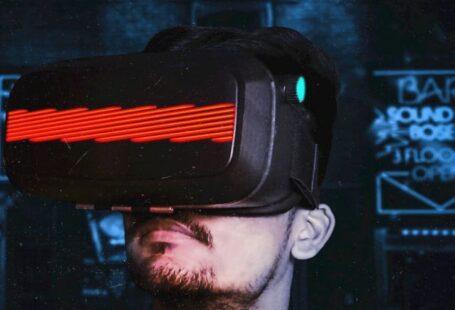
Virtual Reality (VR) technology has made significant strides in recent years, revolutionizing various industries and offering innovative solutions to long-standing challenges. One such sector that has seen the potential benefits of VR is the construction industry. Can Virtual Reality aid in construction planning? Let’s delve into how this cutting-edge technology is reshaping the way construction projects are conceptualized, planned, and executed.
Enhanced Visualization and Design
One of the primary advantages of utilizing Virtual Reality in construction planning is the ability to create immersive and realistic visualizations of proposed projects. Traditional 2D blueprints and renderings can be challenging for clients and stakeholders to interpret accurately. By leveraging VR technology, architects and builders can provide clients with interactive virtual tours of the proposed structures, allowing them to visualize the project in a more lifelike manner.
This enhanced visualization capability not only helps clients better understand the design concepts but also enables them to provide more informed feedback and suggestions. By experiencing the project in a virtual environment, clients can identify potential issues or modifications that may not have been apparent from traditional plans, leading to more comprehensive and effective project planning.
Improved Collaboration and Communication
Effective communication and collaboration among project stakeholders are crucial for the success of any construction project. Virtual Reality facilitates enhanced communication by enabling all parties involved to interact with the project design in real-time. Architects, engineers, contractors, and clients can come together in a virtual environment to discuss design options, make modifications on the fly, and address any concerns before construction commences.
This real-time collaboration not only streamlines the decision-making process but also helps prevent misunderstandings and errors that can arise from miscommunication. By fostering a more collaborative environment, Virtual Reality promotes a shared understanding of the project vision and goals, leading to smoother project execution and higher levels of stakeholder satisfaction.
Risk Mitigation and Safety Planning
Construction projects inherently involve various risks, ranging from design flaws to safety hazards on the worksite. Virtual Reality can play a vital role in mitigating these risks by allowing project teams to identify and address potential issues proactively. Through VR simulations, construction professionals can conduct virtual safety audits, identify potential safety hazards, and implement necessary precautions before the physical construction phase begins.
Additionally, Virtual Reality can be used to simulate various construction scenarios, such as site logistics planning and equipment placement, to optimize workflows and minimize potential bottlenecks. By identifying and addressing risks early in the planning stages, construction teams can enhance project safety, reduce costly rework, and ensure a more efficient construction process.
Cost-Efficiency and Time Savings
Construction projects are notorious for exceeding budget constraints and timelines, often due to unforeseen challenges that arise during the construction phase. Virtual Reality can help mitigate these issues by enabling more accurate cost estimations and project timelines during the planning stage. By visualizing the project in a virtual environment, stakeholders can identify potential cost overruns, material wastage, and inefficiencies before they impact the actual construction process.
Moreover, Virtual Reality can streamline the construction planning process by enabling faster decision-making and reducing the need for multiple revisions to traditional blueprints. By creating a more efficient planning workflow, construction teams can save valuable time and resources, leading to overall cost savings and improved project outcomes.
Embracing the Future of Construction Planning
In conclusion, Virtual Reality has the potential to revolutionize the way construction projects are planned and executed. By offering enhanced visualization, improved collaboration, risk mitigation, and cost-efficiency, VR technology can provide construction professionals with powerful tools to streamline the planning process and deliver successful projects. As the construction industry continues to evolve, embracing Virtual Reality as a key planning tool can help companies stay competitive, enhance project outcomes, and drive innovation in the built environment.